If you would like to receive our quarterly Movement Science Research Newsletters, please sign up for our mailing list here.
Movement Science Research Newsletter
October 2025
Welcome to the third edition of the Movement Science Research Newsletter. Our publication serves to celebrate the exceptional achievements and significant milestones within the WashU Medicine Physical Therapy research community. Our goal is to keep you connected with the latest advancements and to acknowledge the hard work and dedication of our faculty and their research teams. By highlighting these accomplishments, we aim to inspire continuous collaboration, innovation, and excellence within our community and beyond.
Each issue reflects the commitment and contributions of our researchers who are leading the way in movement science. Thank you for being a valued part of our community. We hope you enjoy the insights and achievements featured in this edition.
Lab Spotlight
Neural Control of Movement Following Neurological Injury
Led by Dr. Laura McPherson, our Systems Neuroscience and Rehabilitation Lab is dedicated to overcoming longstanding challenges in multiple sclerosis (MS) resulting from the clinical heterogeneity of the disease. Lab researchers study patient-specific neural mechanisms by which MS-related damage to the brain and spinal cord leads to motor dysfunction and progressive disability. They do so by assessing the composition of voluntary motor commands at the level of spinal motoneurons, after all upstream neural processing has occurred and where the motor command is most relevant to movement. This allows them to capture contributions from the brain, brainstem, spinal cord, and motoneurons themselves—critical yet often overlooked structures in neurorehabilitation.
Lab members use high-density surface EMG decomposition to non-invasively record the firing patterns of many simultaneously firing motor units while patients contract their muscles. They use a novel computational approach for “reverse engineering” the motor unit firing patterns to characterize excitatory, inhibitory, and neuromodulatory components of voluntary motor commands. With the rich, multi-dimensional information the lab obtains about each patient’s specific pathophysiology, researchers aim to (1) identify neural mechanisms that underlie different types of motor deficits, and (2) develop sensitive biomarkers that can detect MS disease progression before clinical symptoms worsen.
Learn more about the Neural Control of Movement Following Neurological Injury Lab.
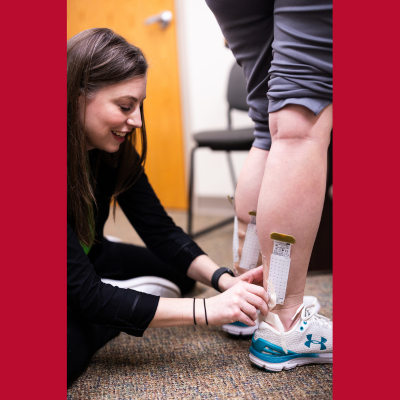
Prevention, Rehabilitation and Maintenance in Musculoskeletal Conditions Lab
Musculoskeletal pain conditions are among the most disabling and costly conditions experienced by Americans and are the leading cause of physical disability in the United States. Treatments that prevent or lessen the long-term impact of these conditions are needed. Our Prevention, Rehabilitation and Self-Management in Musculoskeletal Conditions Lab, led by Dr. Linda Van Dillen, is at the forefront of research aimed at improving the lives of individuals with musculoskeletal pain conditions. A primary focus of their work is to understand how the musculoskeletal and nervous system interact to contribute to the development and course of musculoskeletal pain conditions across the lifespan. They also are interested in how other biological, psychological, and social/environmental factors impact these interactions. They use a variety of measures to examine these questions including participant self-report, clinical and instrumented measures of the motor and sensory systems and imaging.
Many of their studies have been of people with chronic low back pain (LBP). A primary focus has been on improving the understanding of the role of repetitive movements and sustained postures used during daily functional activities to the person’s current presentation and long-term course. Current work is examining similar factors in people with acute LBP to understand their value in predicting the variable course of LBP after an acute episode and providing potential treatment targets to deter the transition to chronicity. The long-term goal of these efforts is to better personalize prognosis, rehabilitative treatment and self-management in people with LBP.
Learn more about the Prevention, Rehabilitation and Self-Management in Musculoskeletal Conditions Lab.
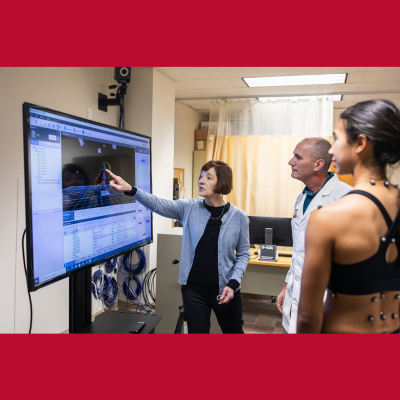
In the Media
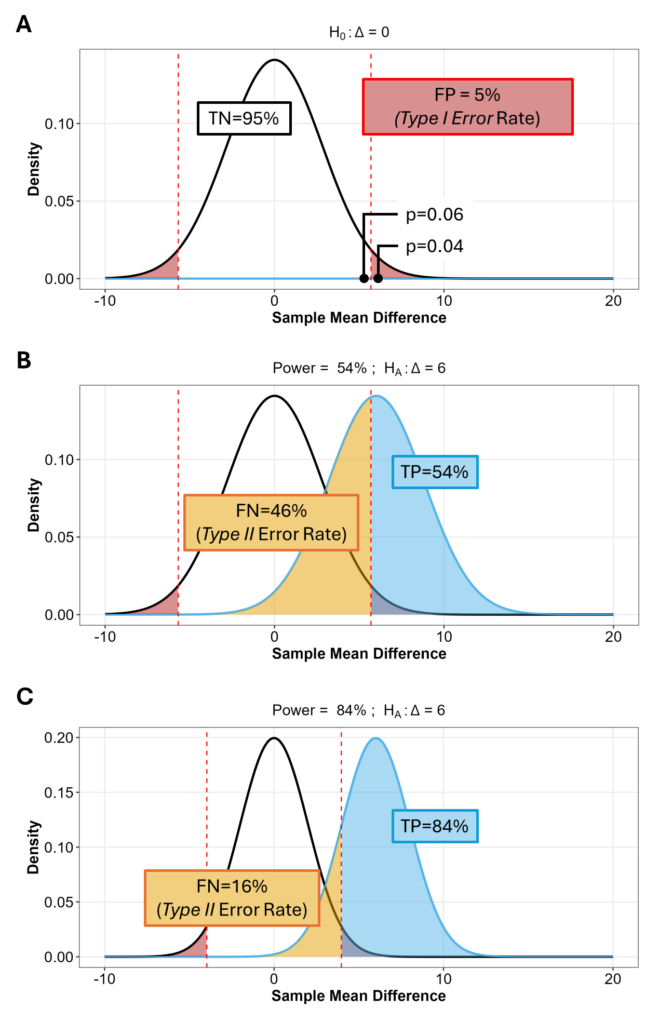
Keith Lohse recently helped to revise the statistical reporting guidelines at the Journal of Neurologic Physical Therapy. With the help of his colleague Stephanie Kliethermes, he published a companion paper to accompany the revised guidelines: https://journals.lww.com/jnpt/fulltext/9900/approaching_significance__statistical_guidance_for.109.aspx The paper provides an overview of recent statistical debates around statistical significance, older debates between frequentism and Bayesian statistics, and generally shows how we need to consider multiple pieces of information to write a balanced discussion. Dr. Lohse hopes this paper is helpful to authors, reviewers, and students who are learning to evaluate evidence – make nuanced statistical conclusions.
Awards & Honors
New NIH R01 Grant Advances Muscle Function Research
Dr. Gretchen Meyer was awarded a new NIH R01 grant for her project, “Role of Lysine Acetylation in Skeletal Muscle Contractile Function.” This marks her second R01, secured in a highly competitive funding environment, and reflects her rigorous, innovative science and sustained research excellence.
K99/R00 Award Supports Research on Childhood-Onset Type 2 Diabetes
Dr. Hyo-Jung Jeong of the Foot and Ankle Injury and Recovery Lab received an NIH K99 grant to support her research, “Identifying Early Signs of Foot Complications in Childhood-Onset Type 2 Diabetes Mellitus.” The award provides two years of mentored postdoctoral training within WashU Medicine’s Program in Physical Therapy, followed by three years of independent funding through the R00 phase at the institution where she receives her tenure-track faculty position.
Dr. Jeong also earned second place in the Grant Shark Tank session at the Scientists and Engineers Early Career Development (SEED) meeting, hosted by the Korean-American Scientists and Engineers Association. The competition challenged teams to develop a brief grant proposal and present it in a “shark tank” format within one hour, highlighting Dr. Jeong’s creativity, collaboration, and ability to communicate innovative research ideas under pressure.
Longer Life Foundation Funds Study on MS Biomarker Development
Dr. Laura McPherson received a grant from the Longer Life Foundation for her study, “A Novel Neurophysiological Biomarker for MS Disease Progression.” With a record number of applications submitted this year, this award underscores the quality and impact of her research on multiple sclerosis disease progression.
WashU Presentations
California Physical Therapy Association Annual Meeting
September 21, 2025
Keith Lohse presented “Approaching Significance: Statistical guidance for authors and reviewers on p-values, confidence intervals, and Bayesian statistics” at the California Physical Therapy Association Annual Meeting.
BioSTL Global Health Innovation Summit
August 2025
Gammon Earhart served as a panelist for “Neuro Ecosystem: Strategies for Attracting and Retaining World-Class Innovators” at the BioSTL Global Health Innovation Summit. The panel brought together leaders in neuroscience and innovation to discuss strategies for building and sustaining global research excellence in neurorehabilitation and technology development.
Toward a Continuum of Technology-Assisted Therapy Summer School
Locarno, Switzerland – June 23–27, 2025
Dr. Catherine Lang was invited as a Plenary Speaker at the “Toward a Continuum of Technology-Assisted Therapy” Summer School, sponsored by ETH Zurich, the Rehabilitation Engineering Lab (RELAB), and Clinica Hildebrand, Centro di Riabilitazione Brissago.
This interdisciplinary training program brings together PhD students from engineering and clinical disciplines to explore rehabilitation innovation. Morning lectures from international experts were followed by small-group collaboration sessions where students, expert coaches, clinicians, and individuals with neurological conditions (e.g., stroke, SCI, TBI) developed new rehabilitation technology concepts through a user-centered design approach.
Publications- 2025 Third Quarter
We’re proud to share the peer-reviewed publications from WashU Medicine Physical Therapy faculty and researchers during the third quarter of 2025.
BREATHS: A knowledge translation framework for optimizing inspiratory muscle training in physical therapy practice. Anderson J, Priluck D, Dias KJ. Med Res Arch. 2025;13(6). doi:10.18103/mra.v13i6.6591.
Personalized Auditory Rhythmic Cues to Optimize Gait in Older Adults and People With Parkinson Disease. Harrison EC, Tueth LE, Haussler AM, Rawson KS, Earhart GM.J Neurol Phys Ther. 2025 Jul 1;49(3):162-170. doi: 10.1097/NPT.0000000000000508. Epub 2025 Feb 27.PMID: 39913311
Patients’ real-world engagement with movement pattern modifications for nonarthritic hip-related pain. Cheng AL, Hannemann AJ, Brady BK, Pashos MM, Huecker JB, Steger-May K, Prather H, Clohisy JC, Harris-Hayes M.PM R. 2025 Jul;17(7):761-770. doi: 10.1002/pmrj.13343. Epub 2025 Feb 15.PMID: 39953925
Common Data Elements for Rehabilitation Research in Neurologic Disorders (NeuroRehab CDEs). Carlozzi NE, Mendoza-Puccini MC, Marden S, Backus D, Bambrick L, Baum C, Bean JF, Brenner LA, Cramer SC, Cruz TH, Deutsch A, Frey K, Gay K, Graham JE, Heaton RK, Juengst S, Kalpakjian CZ, Kozlowski AJ, Lang CE, Pearlman J, Politis A, Ramey S, Rasch E, Sander AM, Schambra H, Scherer MJ, Slomine BS, Twamley EW, Wolf SL, Heinemann AW.Arch Phys Med Rehabil. 2025 Jul;106(7):981-988. doi: 10.1016/j.apmr.2025.03.039. Epub 2025 Mar 26.PMID: 40154859
Matching Clinical Profiles With Interventions to Optimize Daily Stepping in People With Stroke. McCartney KM, Pohlig RT, Miller AE, Thompson ED, Reisman DS.Phys Ther. 2025 Jul 1;105(7):pzaf070. doi: 10.1093/ptj/pzaf070.PMID: 40360175 Clinical Trial.
Replication of Sensor-Based Categorization of Upper-Limb Performance in Daily Life in People Post Stroke and Generalizability to Other Populations. Macpherson CE, Bland MD, Gordon C, Miller AE, Newman C, Holleran CL, Dy CJ, Peterson L, Lohse KR, Lang CE.Sensors (Basel). 2025 Jul 25;25(15):4618. doi: 10.3390/s25154618.PMID: 40807780
Musical Distractions: Music-Based Rhythmic Auditory Stimulation Fails to Improve Gait in Huntington’s Disease. Baudendistel ST, Tueth LE, Haussler AM, Earhart GM.Brain Sci. 2025 Jul 31;15(8):820. doi: 10.3390/brainsci15080820.PMID: 40867152
Association Between Real-World Actigraphy and Poststroke Motor Recovery. Lohse KR, Miller AE, Bland MD, Lee JM, Lang CE.Stroke. 2025 Aug;56(8):2079-2090. doi: 10.1161/STROKEAHA.124.050229. Epub 2025 Apr 23.PMID: 40267446
Characteristics of responders to interventions for Parkinson disease: a scoping systematic review. Baudendistel ST, Earhart GM.Neurodegener Dis Manag. 2025 Aug;15(4):173-186. doi: 10.1080/17582024.2025.2493465. Epub 2025 Apr 30.PMID: 40304274
Spinal movement impairments in people with acute low back pain. Krueger KO, Lanier VM, Duncan RP, van Dillen LR.Musculoskelet Sci Pract. 2025 Aug;78:103344. doi: 10.1016/j.msksp.2025.103344. Epub 2025 May 3.PMID: 40440950
Building Capacity for Knowledge Translation in Rehabilitation: The Academy of Neurologic Physical Therapy’s Knowledge Translation Summit. Moore JL, Romney WM, Crowner B, Hornby TG, Graham ID.J Neurol Phys Ther. 2025 Aug 13. doi: 10.1097/NPT.0000000000000533. Online ahead of print.PMID: 40801832
Is Acromial Morphology Different in Patients with Eccentric Glenohumeral Osteoarthritis? Kahan LG, Lawrence RL, Keener JD, Aleem A, Zmistowski BM.J Shoulder Elbow Surg. 2025 Aug 25:S1058-2746(25)00615-9. doi: 10.1016/j.jse.2025.07.016. Online ahead of print.PMID: 40865903
Ablation of UCP-1+ cells impacts FAP dynamics in muscle regeneration. Parson JC, Meyer GA.Am J Physiol Cell Physiol. 2025 Sep 1;329(3):C754-C767. doi: 10.1152/ajpcell.00249.2025. Epub 2025 Jul 28.PMID: 40720154
A Neurosurgeon’s Guide to Mobile Health Application Development With a Case Study for Cervical Myelopathy. Singh P, Chen E, Steel B, Chicoine N, Yakdan S, Bydon M, Steinmetz MP, Ghogawala Z, Ray WZ, Johnson B, Duncan RP, Wilt Z, Badhiwala J, Kelleher C, Greenberg JK.Neurosurgery. 2025 Sep 9. doi: 10.1227/neu.0000000000003717. Online ahead of print.PMID: 40923792
Intramuscular adipose tissue: from progenitor to pathology. Jones HG, Kopinke D, Meyer GA.Am J Physiol Cell Physiol. 2025 Sep 15:10.1152/ajpcell.00613.2025. doi: 10.1152/ajpcell.00613.2025. Online ahead of print.PMID: 40953040
Can predictive and functional methods locate the dysplastic hip joint center? Harris MD, Behrman EC, Lohse KR, Shepherd MC, MacWilliams BA, Mannen EM.Gait Posture. 2025 Sep 19:109982. doi: 10.1016/j.gaitpost.2025.109982. Online ahead of print.PMID: 40992955
Stroke and motor outcomes are associated with regional and age-specific changes in periodic and aperiodic cortical activity. Albertson AJ, Landsness EC, Eisfelder M, Young BM, Judge B, Brier MR, Euler MJ, Cramer SC, Lee JM, Lohse KR.Exp Physiol. 2025 Sep 24. doi: 10.1113/EP093171. Online ahead of print.PMID: 40990179
Site-1 protease is a negative regulator of sarcolipin promoter activity. Sharma I, Kelly MO, Hanners K, Shin ES, Mousa MG, Ek S, Meyer GA, Brookheart RT.Commun Biol. 2025 Sep 24;8(1):1351. doi: 10.1038/s42003-025-08647-y.PMID: 40993245
Movement Science Research Newsletter July 2025
Welcome to the second edition of the Movement Science Research Newsletter, a publication dedicated to celebrating the exceptional achievements and milestones of the WashU Medicine Physical Therapy research community. This issue highlights recent awards and honors earned by outstanding faculty, showcases notable presentations, and shares details about upcoming events that continue to advance the field of movement science.
The newsletter is designed to keep the community informed about the latest developments in the field while recognizing the dedication and impactful work of faculty and research teams. These accomplishments serve to inspire continued collaboration, innovation, and excellence within and beyond the community.
Each edition reflects the commitment and contributions of researchers who are driving meaningful progress in movement science. Thank you for being a valued member of this community! Please enjoy the insights and achievements featured in this issue.
Lab Spotlight
Movement & Neurodegenerative Disease Lab
This quarter’s spotlight features the Movement & Neurodegenerative Disease Lab, where research focuses on how the human nervous system controls movement in both healthy individuals and those with neurodegenerative conditions, such as Parkinson’s disease (PD). Using kinematic, kinetic, electromyographic, and neuroimaging techniques, the team investigates locomotor and postural control in PD with the goal of understanding movement difficulties and developing new treatment approaches. The lab also studies how movement and quality of life change over time in individuals with PD, as well as the impacts of interventions such as physical activity, pharmacotherapy, and deep brain stimulation on locomotor deficits to inform and improve clinical recommendations.
Current projects include a study exploring how music and singing may improve gait in people with PD through a three-month training program taking place this summer.
Learn more on the Movement & Neurodegenerative Disease Lab webpage.
2025 Commencement
Jacob Parson has graduated from our PhD in Movement Science program. He was mentored by Dr. Gretchen Meyer. Dr. Parson’s dissertation investigated phenotypes of muscle-associated fat depots. Using a mouse model, he looked at fat cells both nested within and next to muscles to understand how fat cells may or may not be modified and what exercise options, such as progressive strength training, might modify those fat cells.
Ultimately, the knowledge he generated is helping scientists figure out better ways to regenerate muscle after injury. After graduation, Dr. Parson will become an Assistant Professor of Exercise Science and Director of the SU Wellness Institute at Schreiner University in Kerrville, Texas. He is excited to teach and train students both in the classroom and through research in an exercise physiology lab.

Awards & Honors
Steven J Rose Research Awards
The Steven J. Rose Research Award honors Dr. Steven J. Rose, who was Director of the Program in Physical Therapy from 1979-1988. Steve left us with a deep passion to conduct and report meaningful clinical research – and an obligation to share this passion with students. This award provides the faculty with a vehicle for honoring DPT students who make exceptional contributions in research during their professional training. Congratulations to PT25 awardees: Kayla Bell & Lauren Froehlich!
Miller & Colleagues Awarded Digital Physical Therapy Research Grant
The Stroke Recovery, Rehabilitation, and Accelerometry Lab (Allison E. Miller, Carey L. Holleran, Marghuretta D. Bland, and Catherine E. Lang), along with collaborators from the Healthcare Innovation Lab (Thomas M. Maddox), mHealth Research Core (Ellen E. Fitzsimmons-Craft), and the Shirley Ryan AbilityLab (Caitlin A. Newman) interviewed clinicians and patients to understand their perspectives on integrating wearable sensor technology into rehabilitation care. Findings from this study, now published in Frontiers in Digital Health, were used to develop a data transfer pipeline that integrates data from a wearable sensor into EPIC, WashU’s electronic health record system, being one of the first in the country to do so. The research team is continuing this line of work by collaborating with physical and occupational therapists at WashU to investigate how data from wearable technology can be used to support clinical decision-making and maximize patient outcomes. This project was funded by the Foundation for Physical Therapy Research through their Digital Physical Therapy Research grant.
Wissman Awarded Best Research Discovery Award
Movement Science PhD student, Madison Wissman recently won the “Best Research Discovery” award at the Spring 2025 OpenSim+ Advanced Users Workshop at Stanford University. The award recognizes Madison’s advances using musculoskeletal models to simulate muscle transfer surgery for patients with severely damaged gluteal muscles.
Chen receives PODS I Scholarship
Movement Science PhD student, Stacey Chen has been awarded a Promotion of Doctoral Studies (PODS) I scholarship through the Foundation for Physical Therapy Research. This is a competitive national scholarship to support individuals in the coursework phase of post-professional doctoral studies.
McPherson Faculty Promotion
Jacob McPherson, PhD has been promoted to Associate Professor with Tenure, effective July 1. Jacob’s lab studies patterns of synaptic communication within sensorimotor neural networks and how these networks adapt when new patterns are introduced or existing ones are altered. The lab is particularly interested in how these fundamental principles of neural learning can be harnessed to restore balanced sensory and motor transmission after CNS injury.
WashU Presentations
| Dakota Kamm Named Finalist in National PhD Paper Competition at SB3C 2025 Movement Science PhD student Dakota Kamm was one of 36 finalists out of nearly 200 applicants in the PhD-Level Student Paper Competition at the SB3C Summer Bioengineering Conference. He presented his research in Santa Ana Pueblo, New Mexico, June 22-25, 2025.  Madison Wissman Delivers Research Presentation on Gluteal Muscle Forces at 2025 ASME SB3C Conference Movement Science PhD student, Madison Wissman gave an oral presentation at the 2025 ASME SB3C Summer Bioengineering Conference June 22-25 in Santa Ana Pueblo, NM. Her presentation was titled “Determining the Changes in Gluteal Muscle Force Requirements After Gluteus Maximus Tendon Transfer for Hip Abductor Insufficiency” (https://event.asme.org/SBC) |
| Dr. Keith Lohse Spotlighted by ASNR for Advancing Neurorehabilitation Data Science Keith Lohse was featured on the social media accounts of the American Society of Neurorehabilitation (ASNR) for presenting his research at the Annual ASNR Meeting on April 23rd, 2025. We are proud of him and his co-authors (Allison Miller, Maggie Bland, Jin-Moo Lee, & Catherine Lang) for diligently working to inspire and move the needle in neurorehabilitation data science and machine learning processes. Are you interested in learning more? Their paper “Association Between Real-World Actigraphy and Poststroke Motor Recovery” is currently published in “Stroke”.  Dr. Catherine Lang Gives Invited Lecture at UF and Brooks Rehabilitation Collaborative Catherine Lang was a guest of the University of Florida and the Brooks Rehabilitation Collaborative this month, where she gave an invited lecture titled “Wearable sensing opens new windows to understand and improve rehabilitation.” Learn more about Dr. Lang’s research.  |
Publications- 2025 Second Quarter
Validity evidence for a feedback tool for an interprofessional standardized patient experience: A qualitative pilot study with evaluation of content, response processes, consequences of testing, and feedback quality. East L, Stevens A, Hageman H, Perlmutter M, Garuba F, Burlis T, Chang D, McConachie A, Hanson J. J Interprof Educ & Prac. 2025 Apr.
Movement system siagnosis: A consensus-based position for pediatric movement specialists. Cobb LP, Shane KA, McGee PN, Nesbit C, Brennan E, Moore J, Girolami GL, Dannemiller L, Donaldson C, Boynewics K, Carey H, Chase KM, Hall A, Jones M, O’Shea RK, Zipp GP. Pediatr Phys Ther. 2025 Apr 1;37(2):257-264.
Dynamic femoral head coverage following periacetabular osteotomy for developmental dysplasia of the hip. Bourantas CA, Behrman EC, Shepherd MC, Lohse KR, Clohisy JC, Harris MD. Clin Biomech (Bristol). 2025 Apr;124:106471.
Perspectives of key stakeholders on integrating wearable sensor technology into rehabilitation care: a mixed-methods analysis. Miller AE, Holleran CL, Bland MD, Fitzsimmons-Craft EE, Newman CA, Maddox TM, Lang CE. Front Digit Health. 2025 Apr 28;7:1534419.
Characteristics of responders to interventions for Parkinson disease: a scoping systematic review. Baudendistel ST, Earhart GM. Neurodegener Dis Manag. 2025 Apr 30:1-14.
Defining the minimal clinically important improvement, substantial clinical benefit, and patient acceptable symptom state for the iHOT-12, HOOS, and HOOSglobal in the nonoperative management of nonarthritic hip-related pain. Cheng AL, Radlicz CM, Pashos MM, Huecker JB, Steger-May K, Prather H, Clohisy JC, Harris-Hayes M. Am J Sports Med. 2025 May;53(6):1486-1493.
Spinal movement impairments in people with acute low back pain. Krueger KO, Lanier VM, Duncan RP, van Dillen LR. Musculoskelet Sci Pract. 2025 May 3;78:103344.
Physical therapy and deep brain stimulation in Parkinson disease: Safety, feasibility, and preliminary efficacy. Tueth LE, Rawson KS, Van Dillen LR, Earhart GM, Perlmutter JS, Duncan RP. J Neurol Phys Ther. 2025 May 9.
Matching clinical profiles with interventions to optimize daily stepping in people with stroke. McCartney KM, Pohlig RT, Miller AE, Thompson ED, Reisman DS. Phys Ther. 2025 May 13.
Gray matter morphology and pain-related disability in young adults with low back pain. Smith JA, Tain R, Chrisman I, Sharp KG, Glynn LM, Van Dillen LR, Jacobs JV, Cramer SC. Neuroimage. 2025 May 15;312:121227.
Development of domains of competence and competencies for physical therapist education. Ambler SB, Burlis TL, Clark BR, Holtzman GW, McGee PN, Frost JS, Randolph JL, Norton BJ, Holleran CL. J Phys Ther Educ. 2025 Jun 1;39(2):101-109.
Causal mediation analysis of factors influencing physical Activity and community access among people with mild-to-moderate Parkinson disease. Paul SS, Porciuncula F, Cavanaugh JT, Rawson KS, Nordahl TJ, Baker TC, Duncan RP, Earhart GM, Ellis TD. Arch Phys Med Rehabil. 2025 Jun;106(6):871-879.
Diabetes meets exercise: Myonuclear gene transcription stays put. Meyer GA, Mittendorfer B. J Physiol. 2025 Jun;603(11):3277-3278.
Current cutting-edge omics techniques on musculoskeletal tissues and diseases. Li X, Fang L, Zhou R, Yao L, Clayton SW, Muscat S, Kamm DR, Wang C, Liu CJ, Qin L, Tower RJ, Karner CM, Guilak F, Tang SY, Loiselle AE, Meyer GA, Shen J. Bone Res. 2025 Jun 9;13(1):59.
Feasibility of a barre exercise intervention for individuals with mild to moderate Parkinson disease. Haussler AM, Tueth LE, Earhart GM. J Dance Med Sci. 2025 Jun 14.
Diagnostic domains, differential diagnosis and conditions requiring further medical attention that are considered important in the assessment for chilles tendinopathy: a Delphi consensus study. Malliaras P, Gravare Silbernagel K, de Vos RJ, Bourke J, Sancho I, Hanlon SL, Agergaard AS, Bahr R, Bittencourt NFN, Bordalo M, Brorsson A, Tzortziou Brown V, Cardoso T, Child S, Chimenti RL, Cowley E, D’Hooghe P, Derman W, Finnoff JT, Fu SN, Halstead J, Hamilton B, Nilsson-Helander KM, Hölmich P, Houghton J, James AM, Kulig K, Lau A, Ling S, Maffulli N, Masci L, Mayes S, Mc Auliffe S, McCrum C, Morrissey D, Munteanu SE, Murphy MC, Newsham-West R, O’Neill S, Padhiar N, Papadopoulou T, Rees JD, Rio EK, Ruffino D, Scott A, Speirs S, Sun Y, Thorborg K, Trease L, Verhaar JAN, Wezenbeek E, White S, Zellers JA, Zhang S, Korakakis V, Vicenzino B. Br J Sports Med. 2025 Jun 18;59(13):891-901.
Movement Science Research Newsletter April 2025
WashU Medicine Program in Physical Therapy is thrilled to introduce the Movement Science Research Newsletter – a dedicated space to celebrate and disseminate the incredible achievements and advancements within our WashU Medicine Physical Therapy Research community. This newsletter will serve as a source for the latest developments in Movement Science at WashU Med PT, including notable news, prestigious awards and honors, recent & upcoming presentations, groundbreaking publications, and a schedule of upcoming seminars. Each issue will spotlight the innovative research and exceptional contributions of our faculty and their labs. Our goal is to foster a vibrant and informed community, inspiring collaboration and continued excellence at WashU and in the eld of Movement Science. We hope you enjoy each edition of the newsletter as we shine a light on the outstanding work being done in the Movement Sciences here at WashU Medicine.
Lab Spotlights
Tendon Rehabilitation Lab
Our spotlight shines on the Tendon Rehab Lab led by Jennifer Zellers, PT, DPT, PhD. The Tendon Rehab Lab investigates ways to improve care for people with tendon injuries. Currently, treatment for Achilles tendon injuries take a one-size-fits-all approach, and up to 40% of patients will have recurring symptoms. The Tendon Rehab Lab aims to optimize treatment by personalizing tendon care. Their translational approach combines clinical assessments, diagnostic imaging, and basic science methods.
The Tendon Rehab Lab’s research spans several key areas:
- Biomechanics: Using advanced imaging and motion analysis to study tendon function and recovery.
- Tendon Pathophysiology: Exploring the underpinnings of tendon degeneration and healing.
- Advanced Diagnostic Tools: Developing and testing non-invasive diagnostic tools to improve treatment alignment.
- Patient Outcomes: Assessing the tissue response to rehabilitation treatment and its impact on patient performance.
To further their mission, the lab utilizes state-of-the-art technologies, including:
- Ultrasound and MRI Imaging: For quantitative assessment of tendon structure and function.
- Motion Capture Systems: To analyze foot and ankle contributions to tendon health and healing.
- Ex vivo Tissue Assessments: To understand tissue composition and functional changes with injury and systemic disease.
Dr. Jennifer Zellers and her team in the Tendon Rehabilitation Lab have ongoing projects investigating Achilles tendon pain, and are excited to be starting a study investigating the effect of obesity on Achilles tendon health and healing. Learn more on their lab webpage.

Education Research Lab
WashU Medicine Physical Therapy is excited to announce the establishment of the Education Research Lab. The primary focus of the Education Research Lab is to evaluate learning and learning environments within the context of health professions education. Here, researchers meticulously develop and test evidence-based strategies to foster effective learning throughout the professional continuum. Whether it’s curricular design, teaching methodologies, or assessment techniques, our research endeavors seek to innovate and elevate standards in physical therapy and other health professions education. We are looking forward to the future of this type of research alongside our collaborators at the Center for Integrative Research on Cognition, Learning, and Education. Stay up-to-date with the latest from our new Education Research Lab by visiting our webpage.
Awards & Honors
Endowed Professorship

On February 20th, we had the honor of celebrating Catherine Lang, PT, PhD, FAPTA, as the inaugural Barbara J. Norton Professor in Physical Therapy during a memorable Professorship Installation Ceremony and Reception.
This milestone event marked:
♥Dr. Lang’s appointment as the first-ever endowed professor in the history of WashU Physical Therapy, a testament to her exceptional contributions to research, education, and clinical practice.
♥A heartfelt tribute to Barbara J. Norton, PT, PhD, FAPTA, the longest-serving full-time faculty member, whose dedication and leadership have shaped our profession in profound ways.
Congratulations, Drs. Lang and Norton, on this well-deserved recognition! Your impacts on the field continue to inspire generations of physical therapists and researchers.

Rawson receives McDonnell Center for Systems Neuroscience Grant
Congratulations to Dr. Kerri Rawson who was awarded a grant from the McDonnell Center for Systems Neuroscience. The grant provides funding to support purchase of a system for remote monitoring of gait.
McPherson appointed to Study Section

Congratulations to Dr. Jacob McPherson who has been chosen to serve [ad hoc] on a study section for the Natural Sciences and Engineering Research Council of Canada (NSERC). Specifically, he was chosen for expertise in the neurobiology of pain, neural plasticity, and spinal sensorimotor integration.
In the Media

Lang on Neuroscience Perspectives
After a stroke, regaining movement isn’t just about therapy—it’s about everyday activity. Dr. Catherine Lang uses wearable sensors to study and understand why what they see in the clinic doesn’t always mirror life at home.
Listen and watch the latest episode of Neuroscience Perspectives with John Foxe, director of the Del Monte Institute for Neuroscience at University of Rochester School of Medicine & Dentistry. Guest host Jeff Koslofsky, of The Next Step Podcast, and our very own Dr. Catherine Lang, dive into her research, her journey to science, and why growing up in rural Vermont may have sparked her initial interest in understanding movement.
Earhart Discusses the Power of Physical Therapy in AP Interview

In a recent interview featured in the Associated Press, WashU Medicine- Physical Therapy’s Associate Dean, Dr. Gammon Earhart, sheds light on why physical therapy is often considered the “best-kept secret” in healthcare.
Dr. Earhart emphasizes the incredible benefits of physical therapy not just for recovery, but for prevention and overall wellness. From managing chronic pain to enhancing mobility, physical therapists play a crucial role in empowering patients and improving their quality of life.
WashU Medicine at the Combined Sections Meeting
WashU Medicine Physical Therapy was well-represented with outstanding presentations, platforms, and posters showcasing the incredible work of our faculty, students, and alumni. It was wonderful reconnecting with so many of our alumni and celebrating the impact of WashU Medicine PT across the profession.
Check out the full listing of WashU PT presentations.
 |  |  |  |
Upcoming Research Seminars
Research Seminars are held in Room 1235 at 4444 Forest Park Ave at 12:10pm CST on their respective dates.
Join our mailing list to keep-up-to-date with our recurring seminar series and to receive zoom links to attend.
April 8, 2025
Do Threats to Social Safety Promote Musculoskeletal Pain Disparities?
Burel Goodin, PhD
Professor of Anesthesiology; WashU Pain Center; President-Elect, U.S. Association for the Study of Pain
April 22, 2025
Spinal Cord Lesion Characteristics and Functional Recovery Post Traumatic Spinal Cord Injury
Wesley Thornton, PT, DPT, NCS
PhD Candidate, CU Physical Therapy Program University of Colorado Anschutz, School of Medicine
May 6, 2025
Remote Performance Monitoring in Outpatient Rehabilitation Care
Allison Miller, PT, DPT, PhD, NCS
Postdoctoral Research Scholar, WashU Medicine: Physical Therapy, mHealth Technologies
Upcoming Presentations
The Role of the Movement System in Understanding Young Adult Hip Pain
Speakers: Nancy Bloom, PT, DPT, MSOT, Marcie Harris-Hayes, PT, DPT, MSCI,
Shirley A. Sahrmann, PT, PHD, FAPTA
Location: APTA MO 2025 Spring Conference at Maryville University in St. Louis
Date/Time: April 5, 2025 1:00-4:50pm
Learn More
Validation of Real-World Actigraphy to Capture Post-Stroke Motor Recovery
Keith R. Lohse, Allison E. Miller, Maggie D. Bland, Jin-Moo Lee, and Catherine E. Lang.
Location: American Society for Neurorehabilitation Annual Meeting
Date/Time: April 23rd-25th
Learn More
The Movement Advantage: Living Well with Parkinson’s Through Exercise and Physical Activity
Gammon Earhart
Location: The American Parkinson Disease Association Midwest Parkinson’s Conference
Date/Time: May 1, 2025, 12:30pm-4:00pm
Learn More
Research Panel: Transitioning from Translational Research to Science: Real-World Examples
Laura McPherson
7th Annual ICTS Symposium; Eric P. Newman Education Center (EPNEC), 320 S. Euclid Ave., St. Louis, MO 63110
May, 7, 2025, 10:05-10:50am
The Unstable Joint: Multidisciplinary Approaches to Treatment
Marcie Harris-Hayes, Pt, DPT, MSCI
Location: Ohio State Symposium 2025
Date: May 9, 2025
Publications- 2025 First Quarter
Muscle Compensation Strategies to Maintain Glenohumeral Joint Stability in Rotator Cuff Tears: A Cadaveric Study. Hoshikawa K, Dominguez M, Lawrence RL, Jacobs PM, Yuri T, Mura N, Giambini H. J Bone Joint Surg Am. 2025 Jan 1;107(1):26-35. doi: 10.2106/JBJS.24.00411.
Early Changes in Spatiotemporal Dynamics of Remapped Circuits and Global Networks Predict Functional Recovery after Stroke in Mice. Bowen RM, Lee J, Wang B, Lohse KR, Miao H, Padawer-Curry JA, Albertson AJ, Landsness EC, Bauer AQ, Lee JM. Neurophotonics. 2025 Jan;12(Suppl 1):S14604. doi: 10.1117/1.NPh.12.S1.S14604.
Markers of Mitochondrial Function and Oxidative Metabolism in Female Skeletal Muscle do Not Display Intrinsic Circadian Regulation. Fitzgerald LS, Reynoso Spurrier CS, Lau NJ, Melamed MD, Burnett LA, Meyer GA, Gui C, Hevener AL, Sanford JA, Schenk S. bioRxiv [Preprint]. 2025 Jan 13:2025.01.08.631231. doi: 10.1101/2025.01.08.631231.
Taking the Next Step in Neurologic Rehabilitation: Contributions of Intensity and Variability of Stepping Tasks during Locomotor Training. Hornby TG, Moore J, Holleran CL, Henderson CE. Phys Ther. 2025 Jan 17:pzaf005. doi: 10.1093/ptj/pzaf005.
Exploring Booster Session Attendance, Prescription, and Outcomes in Adults with Chronic Low Back Pain: Secondary Analysis of a Randomized Clinical Trial. Lanier VM, Lohse KR, Hooker QL, Civello JM, van Dillen LR. medRxiv [Preprint]. 2025 Jan 28:2025.01.27.25321189. doi: 10.1101/2025.01.27.25321189.
Low Back Pain or Injury Before Collegiate Athletics, a Potential Risk Factor for Noncontact Athletic Injuries. Harris-Hayes M, Solomon S, Lin S, Prather H, Hunt D, Agarwal M, Bloom NJ, Mills L, Clohisy JC. J Athl Train. 2025 Feb 1;60(2):170-176. doi: 10.4085/1062-6050-0151.24.
The Effect of Low-Dose CT Protocols on Shoulder Model-Based Tracking accuracy Using Biplane Videoradiography. Chen S, Lee ECS, Napier KB, Rainbow MJ, Lawrence RL. Ann Biomed Eng. 2025 Feb;53(2):481-491. doi: 10.1007/s10439-024-03645-3.
Trial-to-Trial Motor Behavior During a Reinforcement Learning task in children ages 6 to 12. Konrad JD, Lohse KR, Marrus N, Lang CE. Hum Mov Sci. 2025 Feb;99:103317. doi: 10.1016/j.humov.2024.103317.
Person-Specific Characteristics of People with Low Back Pain Moderate the Movement Pattern within Motor Skill Training and Strength and Flexibility Exercise: Secondary Analysis of a Randomized Clinical Trial. L Hooker Q, M Lanier V, R van Dillen L. J Electromyogr Kinesiol. 2025 Feb;80:102960. doi: 10.1016/j.jelekin.2024.102960.
Differential Gait Features Across Parkinson’s Disease Clinical Subtypes. Baudendistel ST, Rawson KS, Lessov-Schlaggar CN, Maiti B, Kotzbauer PT, Perlmutter JS, Earhart GM, Campbell MC. Clin Biomech (Bristol). 2025 Feb;122:106445. doi: 10.1016/j.clinbiomech.2025.106445.
Patients’ Real-World Engagement with Movement Pattern Modifications for Nonarthritic Hip-Related Pain. Cheng AL, Hannemann AJ, Brady BK, Pashos MM, Huecker JB, Steger-May K, Prather H, Clohisy JC, Harris-Hayes M. PM R. 2025 Feb 15. doi: 10.1002/pmrj.13343.
Dynamic Femoral Head Coverage Following Periacetabular Osteotomy for Developmental Dysplasia of the Hip. Bourantas CA, Behrman EC, Shepherd MC, Lohse KR, Clohisy JC, Harris MD. Clin Biomech (Bristol). 2025 Feb 23;124:106471. doi: 10.1016/j.clinbiomech.2025.106471.
Targeted Inactivation of Spinal α2 Adrenoceptors Promotes Paradoxical Anti-Nociception. Lucas-Romero J, Bandres MF, McPherson JG. bioRxiv [Preprint]. 2025 Feb 25:2025.02.06.636935. doi: 10.1101/2025.02.06.636935.
Personalized Auditory Rhythmic Cues to Optimize Gait in Older Adults and People With Parkinson Disease. Harrison EC, Tueth LE, Haussler AM, Rawson KS, Earhart GM. J Neurol Phys Ther. 2025 Feb 27. doi: 10.1097/NPT.0000000000000508.
Site-1 Protease is a Negative Regulator of Sarcolipin Promoter Activity. Sharma I, Kelly MO, Hanners K, Shin ES, Mousa MG, Ek S, Meyer GA, Brookheart RT. bioRxiv [Preprint]. 2025 Feb 28:2025.02.25.639963. doi: 10.1101/2025.02.25.639963.
The Effect of Chronic Low Back Pain and Lumbopelvic Stabilization Instructions on Gluteus Medius Activation During Sidelying Hip Movements. Meekins MM, Zucker-Levin A, Harris-Hayes M, Singhal K, Huffman K, Kasser R. Physiother Theory Pract. 2025 Mar;41(3):563-570. doi: 10.1080/09593985.2024.2357130.
Meeting the Health Needs of Society Through Curricular Innovation in Physical Therapist Education: Examples From 3 Entry-Level Programs. Magnusson DM, Judd DL, Ambler SB, Magee J, Collins P, Kuba E, Bilyeu C. J Phys Ther Educ. 2025 Mar 1;39(1):25-32. doi: 10.1097/JTE.0000000000000359.
Lessons Learned from an Observational Study of Patients with Breast Cancer: Adaptions for Remote Implementation. Salerno EA, Harriss C, Andrade DC, Peterson LL, Marx CM, Duncan RP, Luo J, Kepper MM, Anbari AB, Politi MC. Support Care Cancer. 2025 Mar 11;33(4):266. doi: 10.1007/s00520-025-09323-x.
Neural Mechanisms Underlying Synchronization of Movement to Musical Cues in Parkinson Disease and Aging. Harrison EC, Grossen S, Tueth LE, Haussler AM, Rawson KS, Campbell MC, Earhart GM. Front Neurosci. 2025 Mar 11;19:1550802. doi: 10.3389/fnins.2025.1550802.
Altered Joint Forces Found in Symptomatic Dysplastic Hips in Women During Sport-Specific Activities. Shepherd MC, Huo R, Clohisy JC, Nepple JJ, Harris MD. Orthop J Sports Med. 2025 Mar 14;13(3):23259671251318736. doi: 10.1177/23259671251318736.
Fifteen-Year Follow-up of the Modified Oblique Keller Capsular Interposition Arthroplasty Compared to Arthrodesis for Treatment of Advanced First Metatarsophalangeal Joint Arthritis. Johnson JE, Phinney AR, Hastings MK, Jeong HJ, Chen L, Thome AP, McCormick JJ, Backus JD. Foot Ankle Orthop. 2025 Mar 20;10(1):24730114251322766. doi: 10.1177/24730114251322766.
Digital gait biomarkers in Parkinson’s disease: susceptibility/risk, progression, response to exercise, and prognosis. Mancini M, Afshari M, Almeida Q, Amundsen-Huffmaster S, Balfany K, Camicioli R, Christiansen C, Dale ML, Dibble LE, Earhart GM, Ellis TD, Griffith GJ, Hackney ME, Hopkins J, Horak FB, Jones KE, Ling L, O’Keefe JA, Kwei K, Olivier G, Rao AK, Sivaramakrishnan A, Corcos DM. NPJ Parkinsons Dis. 2025 Mar 21;11(1):51. doi: 10.1038/s41531-025-00897-1.
Defining the Minimal Clinically Important Improvement, Substantial Clinical Benefit, and Patient Acceptable Symptom State for the iHOT-12, HOOS, and HOOSglobal in the Nonoperative Management of Nonarthritic Hip-Related Pain. Cheng AL, Radlicz CM, Pashos MM, Huecker JB, Steger-May K, Prather H, Clohisy JC, Harris-Hayes M. Am J Sports Med. 2025 Mar 23:3635465251325466. doi: 10.1177/03635465251325466.